Contents
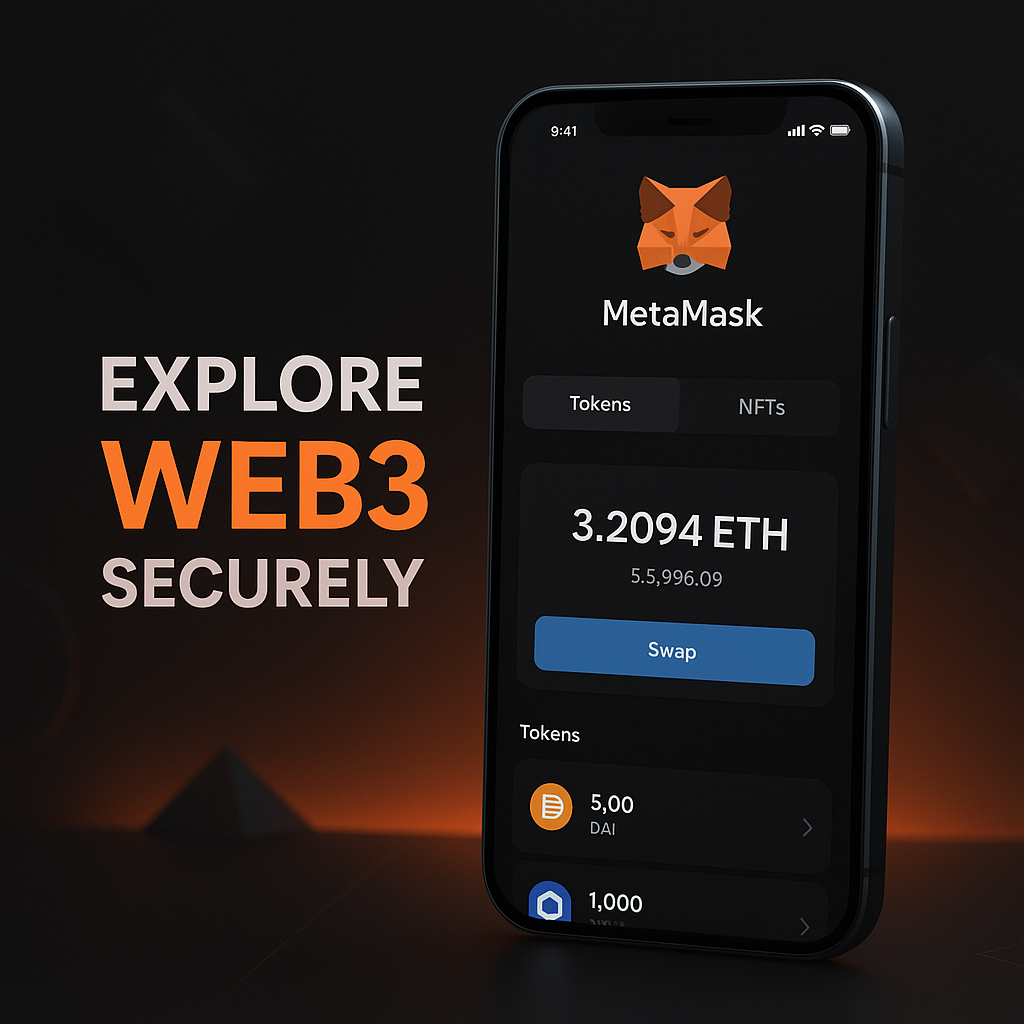
The decentralized web operates across multiple blockchain networks, and accessing these diverse ecosystems requires a wallet that seamlessly connects to various chains. MetaMask, the leading Web3 browser extension, provides native support for Ethereum and all EVM-compatible networks, including Polygon, making it the gateway of choice for millions of users exploring decentralized finance, NFTs, and blockchain applications.
MetaMask Polygon integration represents a crucial bridge between Ethereum’s robust ecosystem and Polygon’s fast, low-cost infrastructure. As a self-custodial browser extension wallet, MetaMask empowers users to interact with dApps across both networks while maintaining complete control over their private keys and digital assets.
In this comprehensive overview, you’ll discover how MetaMask enables seamless multi-chain experiences, the benefits of Polygon integration, and why this combination has become essential for Web3 users, DeFi traders, and NFT collectors worldwide. Whether you’re managing assets across chains or developing decentralized applications, understanding MetaMask’s multi-chain capabilities is fundamental to navigating the modern blockchain landscape.
What Makes MetaMask the Leading Multi-Chain Wallet
MetaMask stands as the most trusted browser extension wallet in the Web3 space, with over 30 million monthly active users relying on its secure, self-custodial architecture. Originally built for Ethereum, MetaMask has evolved into a comprehensive multi-chain platform that supports all EVM-compatible networks, including Polygon, Binance Smart Chain, Avalanche, Arbitrum, and Optimism.
The browser extension’s strength lies in its seamless integration with Web3 applications and its ability to switch between networks effortlessly. Unlike custodial wallets that store user funds, MetaMask gives users complete ownership of their Secret Recovery Phrase and private keys, ensuring true decentralization and security.
MetaMask’s architecture as a browser extension provides unparalleled convenience for interacting with decentralized applications. Available for Chrome, Firefox, Brave, and Edge browsers, the extension injects Web3 functionality directly into your browsing experience, eliminating the need for separate applications or complex setups.
Understanding MetaMask Polygon Integration
Polygon, formerly known as Matic Network, operates as a Layer 2 scaling solution for Ethereum, providing faster transaction speeds and significantly lower gas fees while maintaining security through Ethereum’s mainnet. MetaMask Polygon integration allows users to interact with this high-performance network seamlessly, accessing DeFi protocols, NFT marketplaces, and gaming applications built on Polygon’s infrastructure.
The integration works through Polygon’s EVM compatibility, meaning smart contracts and applications designed for Ethereum can run on Polygon with minimal modifications. This compatibility ensures that MetaMask users can access the same familiar interface and functionality when switching between Ethereum and Polygon networks.
Setting up MetaMask Polygon connectivity involves adding the Polygon network to your wallet configuration. Once configured, users can switch between Ethereum mainnet and Polygon network with a single click, enabling fluid movement between ecosystems based on transaction requirements and cost considerations.
The MetaMask Polygon combination has become particularly popular among DeFi users who want to avoid high Ethereum gas fees while still participating in yield farming, liquidity provision, and token swapping activities. Popular Polygon protocols like Aave, Uniswap V3, and SushiSwap integrate seamlessly with MetaMask, providing familiar experiences with enhanced performance.
Multi-Chain Capabilities Beyond Polygon
While MetaMask Polygon integration provides excellent scaling benefits, the wallet’s multi-chain approach extends far beyond a single Layer 2 solution. MetaMask BSC support enables access to Binance Smart Chain’s ecosystem, offering another alternative for users seeking lower transaction costs and faster confirmation times.
MetaMask Binance Smart Chain integration follows the same principle as Polygon connectivity, leveraging EVM compatibility to provide seamless access to BSC’s DeFi protocols, including PancakeSwap, Venus, and numerous yield farming opportunities. Users can add BSC as a custom network and switch between Ethereum, Polygon, and BSC based on their specific needs.
MetaMask Arbitrum and MetaMask Optimism support showcase the wallet’s commitment to Layer 2 scaling solutions. Both Arbitrum and Optimism offer different approaches to scaling Ethereum, with Arbitrum using optimistic rollups and Optimism focusing on optimistic virtual machine implementation. MetaMask’s compatibility with these networks ensures users can access the full spectrum of Ethereum scaling solutions.
MetaMask Avalanche integration rounds out the major EVM-compatible network support, providing access to Avalanche’s high-throughput blockchain ecosystem. This comprehensive multi-chain approach positions MetaMask as the universal gateway to Web3, regardless of which blockchain network offers the best solution for specific use cases.
Advanced Features for Web3 Power Users
MetaMask Snaps represent a revolutionary approach to wallet extensibility, allowing developers to add custom functionality and support for non-EVM chains. This modular system enables MetaMask to evolve beyond its Ethereum roots while maintaining security and user experience standards.
The browser extension wallet incorporates built-in token swaps through an integrated DEX aggregator, enabling users to trade tokens directly within the wallet interface. This functionality works across all supported networks, including Polygon, providing access to the best available rates across multiple decentralized exchanges.
Hardware wallet integration ensures that even users with significant crypto holdings can benefit from MetaMask’s multi-chain capabilities while maintaining the highest security standards. Support for Ledger and Trezor devices means private keys never leave the hardware device, even when interacting with complex DeFi protocols across multiple chains.
NFT support and display functionality make MetaMask an excellent choice for digital collectible enthusiasts. The wallet automatically detects and displays NFTs across supported networks, providing a unified view of digital assets regardless of which blockchain they reside on.
Security and Self-Custody Principles
As a self-custodial wallet, MetaMask ensures users maintain complete control over their digital assets through secure key management. The Secret Recovery Phrase serves as the master key to all wallet accounts and must be stored securely offline. This approach eliminates counterparty risk associated with centralized exchanges or custodial services.
MetaMask’s security model extends across all supported networks, maintaining consistent protection standards whether users are interacting with Ethereum mainnet, Polygon, or any other EVM-compatible chain. The browser extension uses industry-standard encryption and never transmits private keys or Secret Recovery Phrases to external servers.
Network switching security features prevent accidental transactions on wrong networks, with clear indicators showing which blockchain network is currently active. This protection becomes especially important when managing assets across multiple chains with different token standards and gas fee structures.
Regular security updates and open-source code auditing ensure that MetaMask maintains its position as the most trusted Web3 wallet. The development team’s commitment to transparency and security has earned MetaMask widespread adoption among both retail users and institutional participants in the Web3 ecosystem.
Optimizing Your Multi-Chain Experience
Effective multi-chain asset management requires understanding each network’s characteristics and optimal use cases. Ethereum mainnet remains ideal for high-value transactions and maximum security, while Polygon offers excellent performance for frequent trading and DeFi interactions.
Gas fee optimization strategies involve monitoring network conditions and choosing appropriate chains for different transaction types. MetaMask’s built-in gas estimation helps users understand costs before confirming transactions, enabling informed decisions about which network to use for specific activities.
Token bridging between networks becomes seamless with MetaMask’s multi-chain support. Users can easily move assets between Ethereum and Polygon using various bridge protocols while maintaining wallet connectivity throughout the process.
Portfolio tracking across multiple chains provides comprehensive visibility into digital asset holdings. MetaMask’s unified interface displays balances and transaction history across all connected networks, simplifying portfolio management for active Web3 users.
Conclusion
MetaMask Polygon integration exemplifies the wallet’s evolution from a simple Ethereum extension to the comprehensive Web3 gateway that millions of users rely on daily. By supporting multiple EVM-compatible chains including Polygon, BSC, Arbitrum, Optimism, and Avalanche, MetaMask provides unparalleled flexibility for navigating the diverse blockchain ecosystem.
The combination of MetaMask’s proven security model, extensive dApp compatibility, and seamless network switching capabilities makes it the ideal choice for anyone serious about Web3 participation. Whether you’re trading DeFi tokens, collecting NFTs, or building decentralized applications, MetaMask’s multi-chain approach ensures you can access the best opportunities across all major blockchain networks.
As the Web3 ecosystem continues expanding across multiple chains, MetaMask’s commitment to interoperability and user experience positions it as the essential tool for blockchain interaction. The browser extension’s ability to maintain consistent functionality across diverse networks while preserving security and self-custody principles demonstrates why MetaMask remains the industry standard.
Ready to explore the multi-chain Web3 ecosystem? Download MetaMask today and experience seamless access to Ethereum, Polygon, and the entire universe of decentralized applications.
Frequently Asked Questions
How do I add Polygon network to MetaMask?
To add Polygon to MetaMask, click the network selector at the top of your wallet, choose “Add network,” and enter the Polygon network details: Network Name: Polygon Mainnet, RPC URL: https://polygon-rpc.com/, Chain ID: 137, Currency Symbol: MATIC, Block Explorer URL: https://polygonscan.com/. You can also add Polygon through many dApp interfaces that will prompt the addition automatically.
Can I use the same MetaMask wallet address across different networks?
Yes, your MetaMask wallet address remains the same across all EVM-compatible networks including Ethereum, Polygon, BSC, and others. However, tokens and balances are network-specific, so your ETH on Ethereum mainnet is different from MATIC on Polygon network, even though they use the same wallet address.
What’s the difference between Ethereum and Polygon in MetaMask?
Ethereum mainnet offers maximum security and the largest ecosystem but has higher gas fees and slower transactions. Polygon provides faster transactions and lower fees as a Layer 2 solution while maintaining EVM compatibility. In MetaMask, you can switch between networks to choose the best option for your specific transaction needs.
Is MetaMask safe for multi-chain use?
Yes, MetaMask maintains the same security standards across all supported networks. As a self-custodial wallet, you control your private keys and Secret Recovery Phrase. The browser extension uses consistent encryption and security protocols whether you’re using Ethereum, Polygon, or other EVM-compatible chains.
How do I transfer tokens between Ethereum and Polygon using MetaMask?
To transfer tokens between networks, you need to use a bridge protocol like Polygon Bridge, Hop Protocol, or other cross-chain bridges. MetaMask connects to these bridge interfaces, allowing you to lock tokens on one network and mint equivalent tokens on another. Always verify you’re using official bridge protocols to ensure security.
Which other networks does MetaMask support besides Polygon?
MetaMask supports all EVM-compatible networks including Binance Smart Chain (BSC), Avalanche, Arbitrum, Optimism, Fantom, and hundreds of other chains. You can add any EVM-compatible network manually by entering the network configuration details, or many dApps will prompt automatic network addition.
Do I need different gas tokens for different networks in MetaMask?
Yes, each network requires its native token for gas fees. Ethereum uses ETH, Polygon uses MATIC, BSC uses BNB, and so on. Make sure you have the appropriate gas token in your MetaMask wallet before attempting transactions on any network. The wallet will display your gas token balance for the currently selected network.
Can I use MetaMask Snaps with Polygon and other networks?
MetaMask Snaps can extend wallet functionality across supported networks, including Polygon. Snaps developers can create functionality that works with specific networks or across multiple chains. The Snaps ecosystem continues expanding, offering enhanced features for multi-chain interactions and specialized protocol support.
How do I switch networks quickly in MetaMask?
Click the network selector dropdown at the top of your MetaMask interface to see all configured networks. Simply click on your desired network (Ethereum Mainnet, Polygon, BSC, etc.) to switch instantly. Many dApps can also trigger network switches automatically when you interact with protocols on different chains.
What happens if I send tokens to the wrong network in MetaMask?
Since your wallet address is the same across EVM-compatible networks, tokens sent to the wrong network aren’t necessarily lost, but they won’t appear until you switch to the correct network in MetaMask. For example, if someone sends you USDC on Polygon but you’re viewing Ethereum mainnet, switch to Polygon network to see the tokens. Always verify the correct network when sharing your address.
How does MetaMask handle transaction fees across different networks?
MetaMask automatically calculates appropriate gas fees for each network based on current conditions. Ethereum typically has higher fees, while Polygon, BSC, and other Layer 2 solutions offer significantly lower costs. The wallet displays estimated fees before transaction confirmation, allowing you to choose the most cost-effective network for your needs.
Can I use hardware wallets with MetaMask across multiple networks?
Yes, MetaMask’s hardware wallet integration works across all supported networks. Whether you’re using Ledger or Trezor devices, you can securely interact with Ethereum, Polygon, BSC, and other EVM-compatible chains while keeping your private keys safely stored on the hardware device. The same hardware wallet can manage assets across all networks through MetaMask’s interface.


Solid information, your recommendations on EVM chains. Will definitely implement these. Great work by the author! Well done! Thanks again! Great resource. Thanks again! Thanks again! Well done! Highly recommend.
Finally found valuable information about browser extension that’s hard to find elsewhere. Will keep an eye out for new posts! Thanks again! Highly recommend. Thanks again! Well done! Highly recommend.
Quality overview, loved the part about NFT display. Everything is clear even for beginners. Highly recommend this resource. Thanks again! Highly recommend. Highly recommend. Very helpful! Thanks again!
Solid information, how you covered FAQ. Comprehensive and clear. Bookmarked for future reference. Great resource. Well done! Well done! Highly recommend. Well done! Highly recommend. Very helpful! Thanks again!
Really appreciated particularly useful insights on browser extension and browser extension setup. Author did a great job explaining clearly. Highly recommend. Great resource. Highly recommend. Very helpful!
Very informative, those wanting to understand Web3 access better. Well explained. Will follow your recommendations. Well done! Well done! Highly recommend. Well done! Thanks again! Well done! Great resource.
Well-structured material. great breakdown of Snaps platform. Very practical approach. Highly recommend this resource. Thanks again! Thanks again! Highly recommend. Well done! Well done! Thanks again! Thanks again!
Thanks for the article! particularly useful insights on gas optimization and Ethereum wallet. Info came in very handy. Thanks again! Thanks again! Well done! Highly recommend. Thanks again! Thanks again!
Clear explanations, those wanting to understand DeFi integration better. Well explained. Information is truly up-to-date. Thanks again! Well done! Highly recommend. Well done! Great resource. Great resource.
Very useful information, particularly useful insights on Secret Recovery Phrase and MetaMask Snaps. Very helpful and practical. Highly recommend. Great resource. Very helpful! Thanks again! Well done!
Very informative, really helped me understand DeFi integration. Now I know how to connect to dApps. Everything explained clearly. Thanks again! Thanks again! Thanks again! Highly recommend. Well done!
Finally found those wanting to understand DeFi integration better. Well explained. Really appreciate this guide. Very helpful! Highly recommend. Highly recommend. Well done! Highly recommend. Great resource.
Solid information, really helped me understand NFT management. Now I know how to swap tokens. Information is truly up-to-date. Very helpful! Great resource. Great resource. Thanks again! Great resource.
Well-structured material. loved the part about Ethereum support. Everything is clear even for beginners. Finally figured this out, big thanks! Highly recommend. Well done! Well done! Great resource. Very helpful!